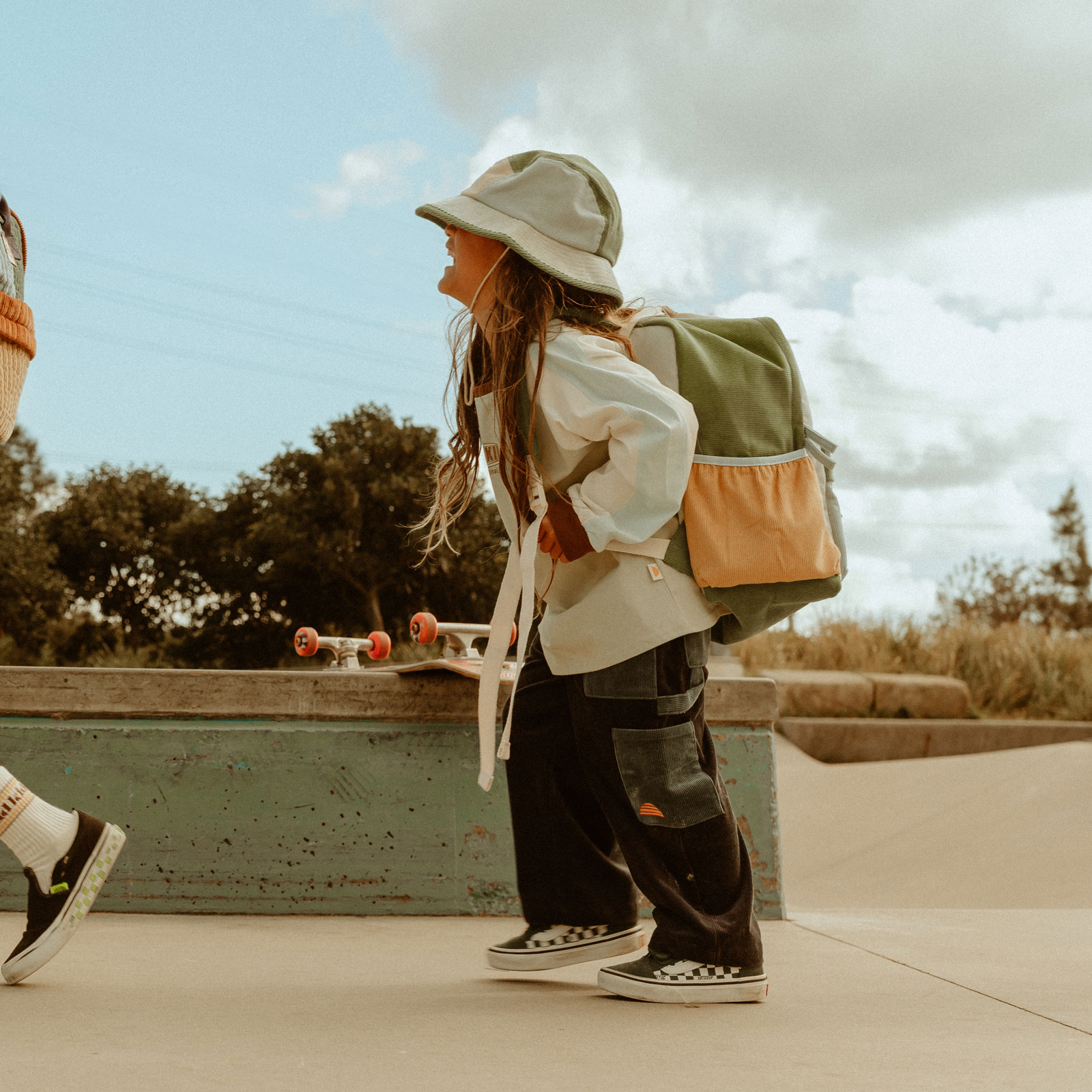
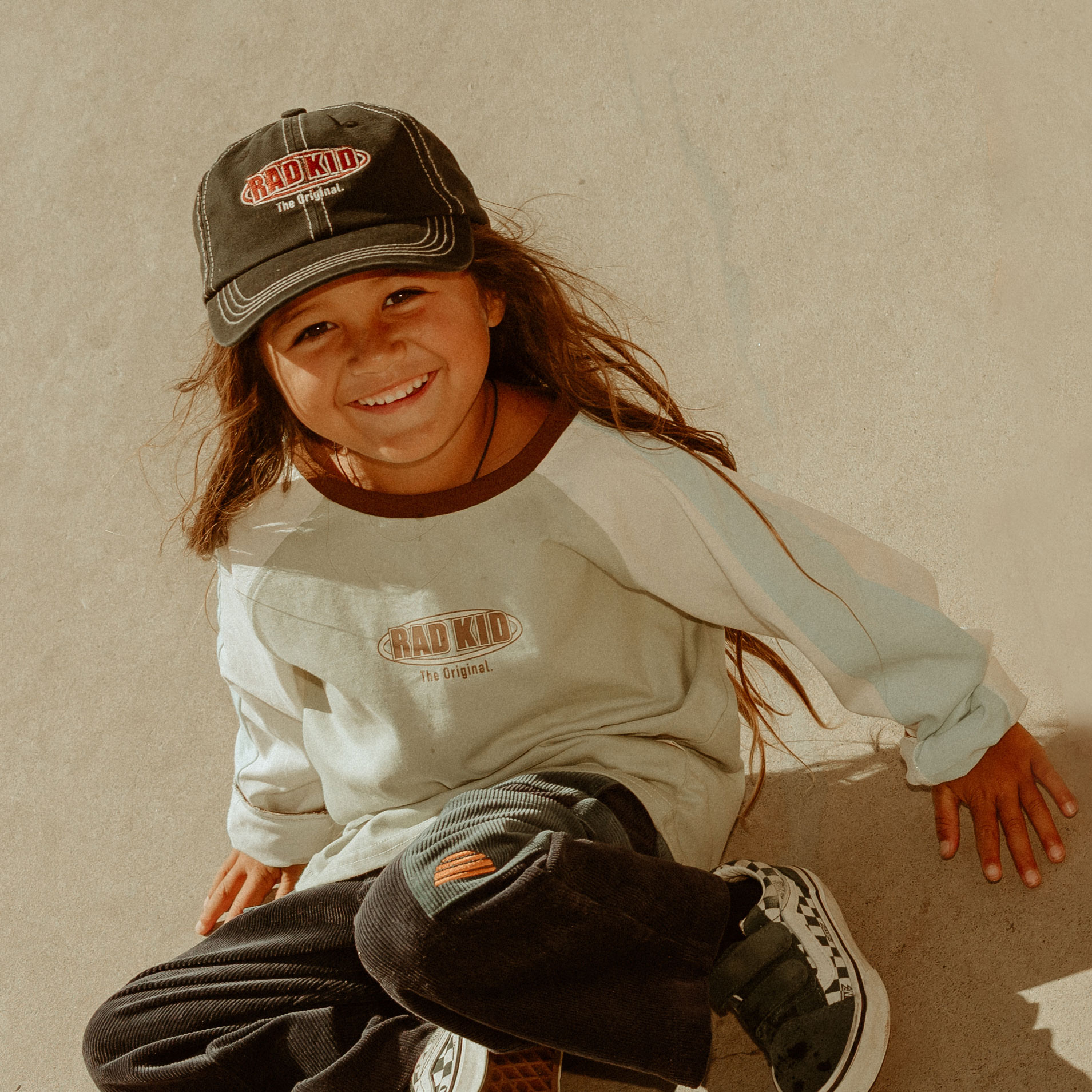
Risky play. It sounds scary. It’s actually the stuff childhood is made of: climbing, balancing, building, barefoot adventures with no plan. In our first Raising Rad Humans read, psychologist Rachel Bridge of Mama Base Illawarra busts the myths, explains why kids need the chance to “do the hard thing,” and shares simple ways to step back so they can find their brave.
Nurturing Courage, Rad Kids Doing the Hard Thing
Happy, resilient, courageous, curious, engaged, connected…all the hopes we hold for our little humans. But what if the restraints of modern parenthood, or our well-meaning attempts to raise our rad little humans are missing the mark?!?
We must ask the question: Has childhood changed? Has Parenthood Changed? Some might argue that in generations before today’s, children played very differently. When you think about your childhood, and compare that to the childhood of your kids, what can you see?
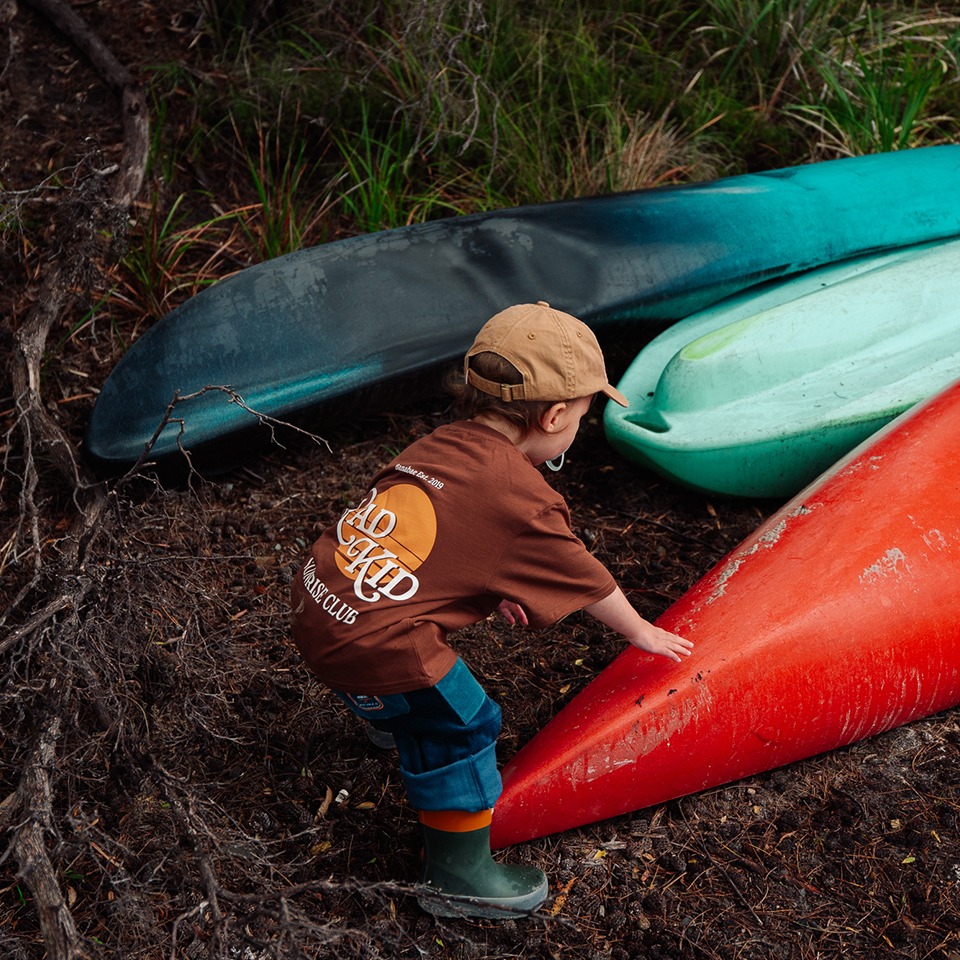
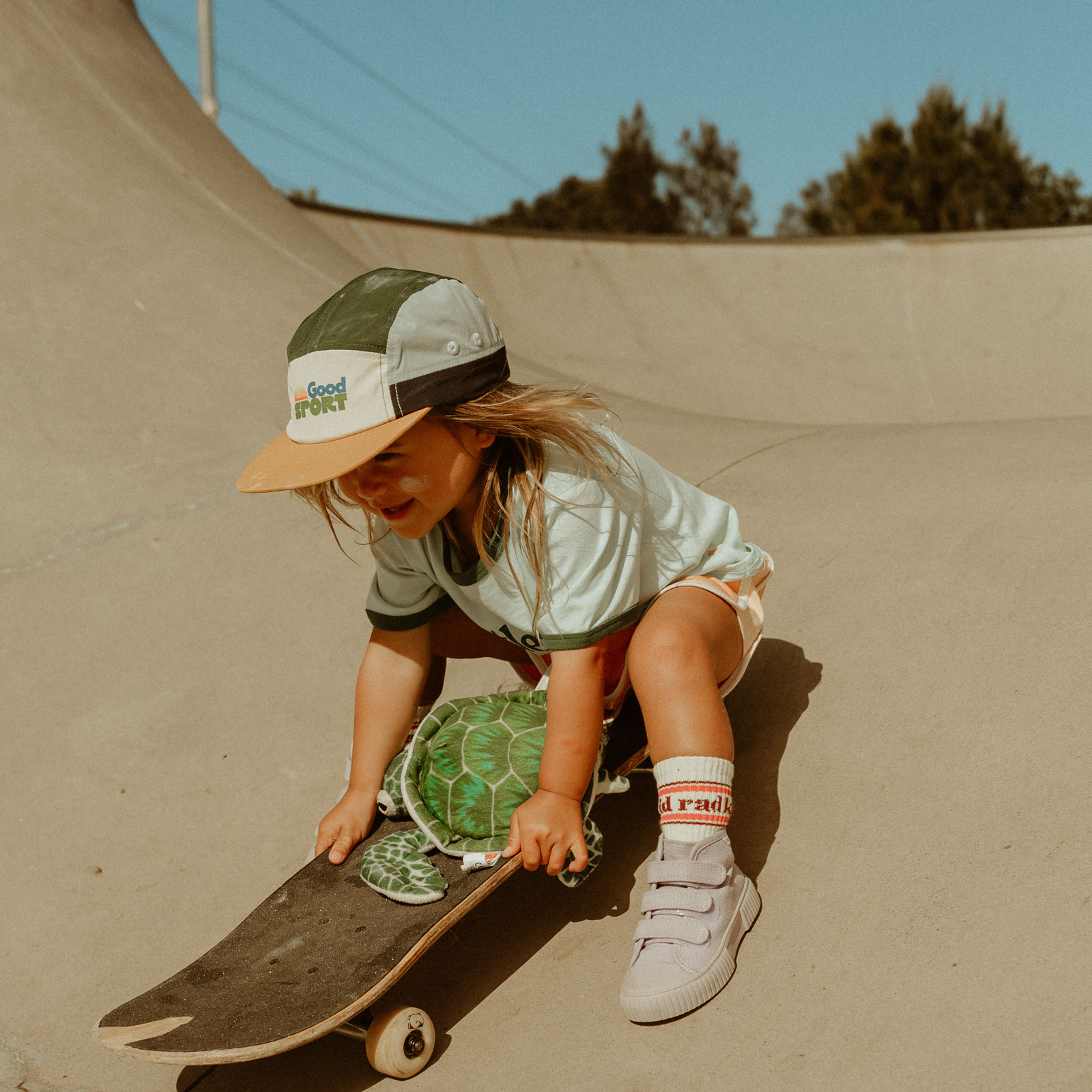
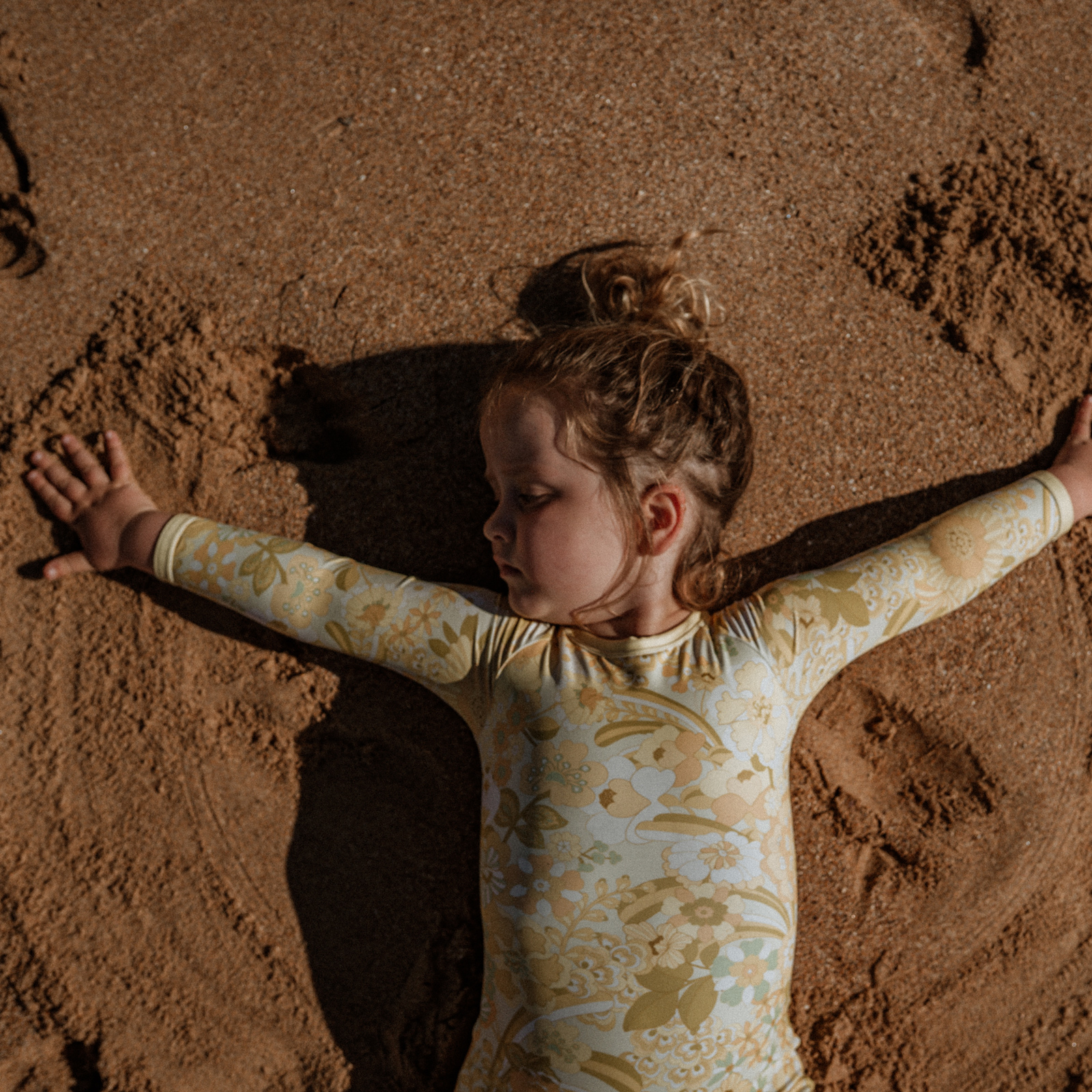
Today’s Challenges In Supporting Risky Play
- Changes in formal outdoor play and learning spaces. Designs become focused on safety and risk avoidance
- Reduced opportunities for unstructured and exploratory play due to the busy day to day lives of families
- Changes within the school system that scaffold structure and routine rather than play
- Higher rates of parental anxiety resulting in more risk averse styles of parenting
- Reduced amount of time within the family system that is unscheduled and unstructured.
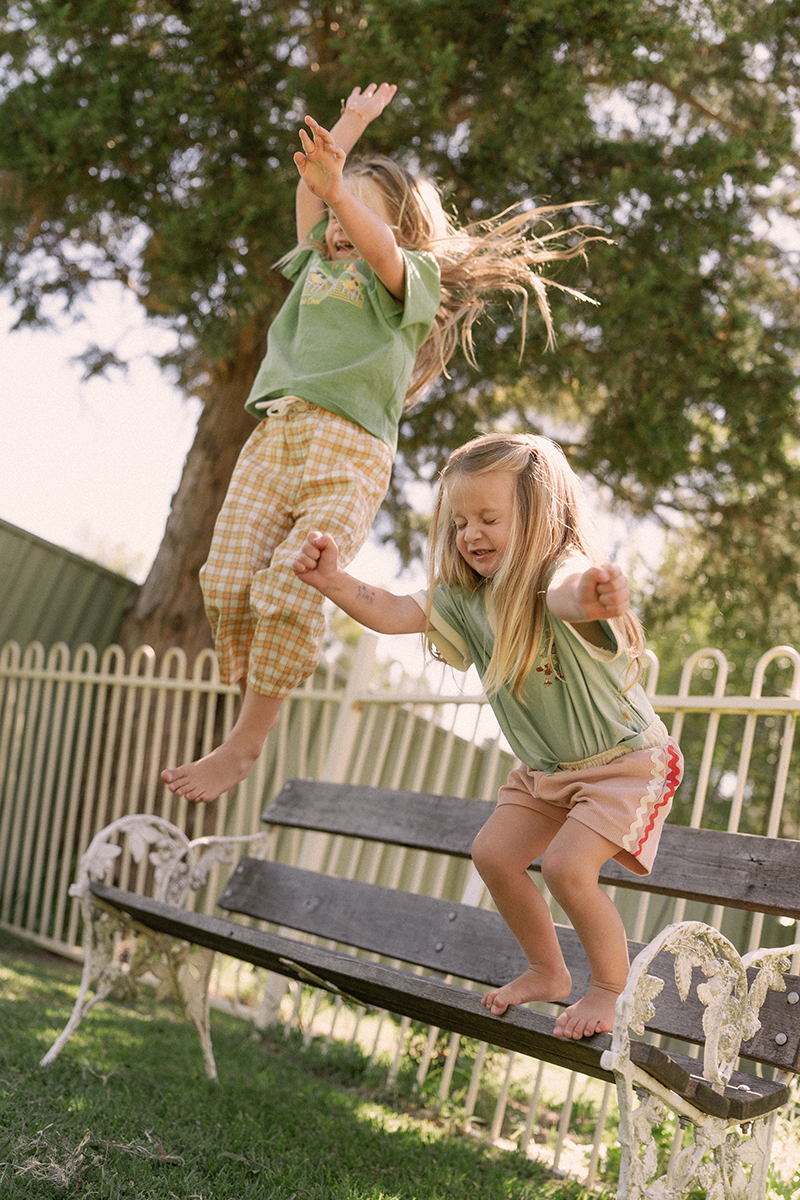
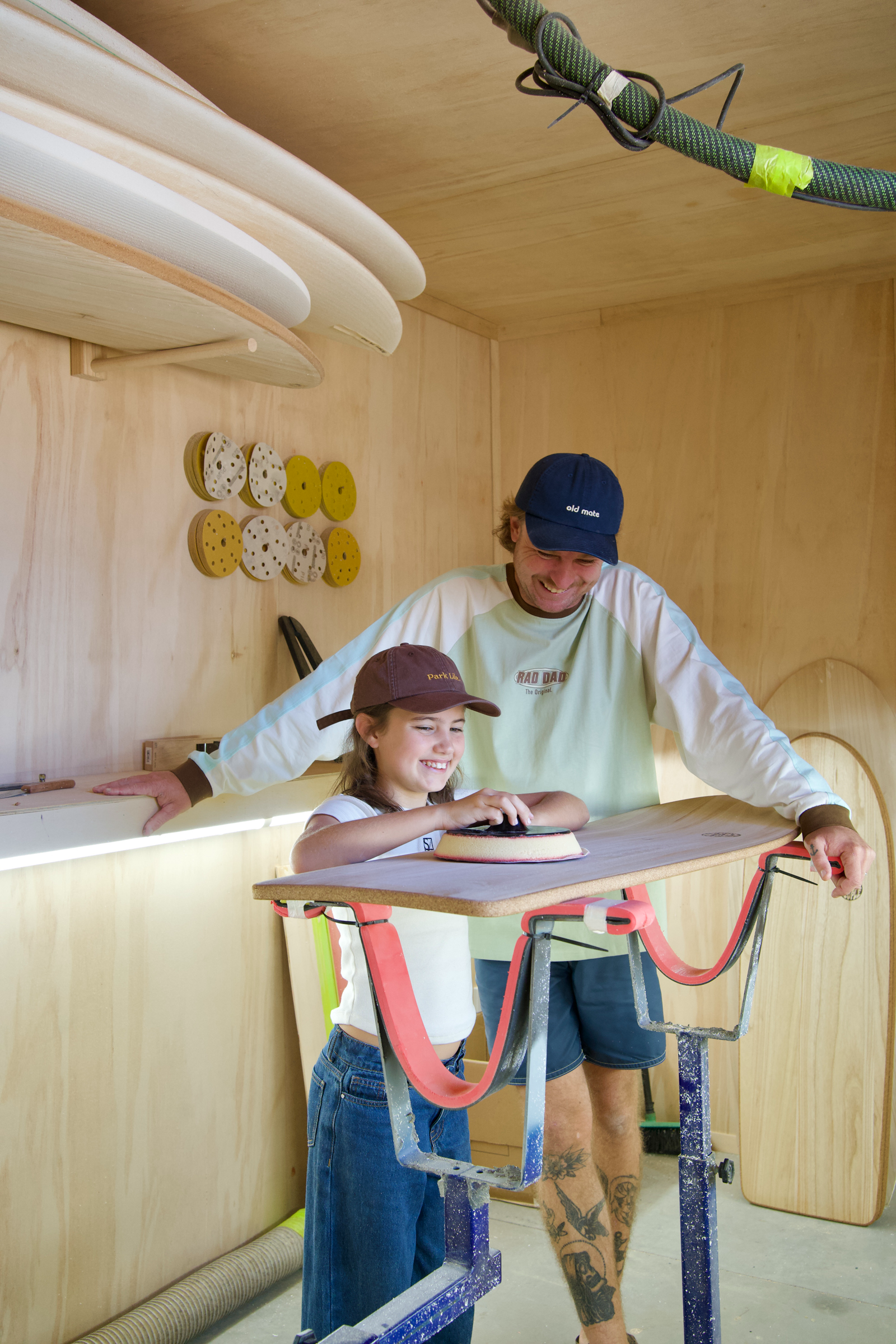
- Be the attentive observer rather than the interferer
- Create time and space for open ended and exploratory play
- Explore new environments prioritising outdoor play and exploration
- Focus on building safe relationships that foster confidence in the child to embrace new experiences, work through challenges and take manageable risks
- Set realistic yet high expectations of what children are capable of
- Make thoughtful decisions about when to step in and when to step back
- Foster a positive attitude towards challenge, effort, risk and uncertainty
- Help children gradually take ownership of their own safety by providing clear information about potential hazards
- Teach practical skills that support safe and confident exploration e.g. instead of telling s child to stop climbing higher, we might encourage curious consideration of where their foot could be placed, and where they feel they can confidently place their hands.!
Simone Potter, Founder and Director of Bush Magic Adventure Therapy reflects “Risky Play is an opportunity for children to explore the edges of their capabilities and learn to judge what feels manageable, when they need help and when to stop”. “What feels risky is different for every child. The important part is that the child has some choice and control over the challenge, with appropriate support’.
Risky Play, Child Led Play, Unstructured Play and Creative Play are the foundations of childhood. When these opportunities exist within safe attachment relationships, they can foster confidence, self-perseverance, problem solving, trust in self and body, adaptability, communication skills and emotional regulation. As well as fostering connection and creativity. Our Rad Little Humans are ready to take on the world, let’s pave the way for them to lean in, nurturing their individual uniqueness and celebrating them for who they are, showing them, they can do the hard thing. What a gift it is to witness the spark in your kiddos eye’s as they find their brave.
Written by Rachel Bridge Mother,
Contributions by Simone Potter
Founder and Director of Bush Magic Adventure Therapy
www.bushmagictherapy.com.au
@Bush Magic Therapy
HAVE SOMETHING WORTH SHARING?
Feature On The Brightside Blog
Got a recipe, craft idea, thought piece or feel-good story to share? Banabae loves giving our community a platform.